Liquid Crystallinity as a Fundamental Property of Life

The most important and under-appreciated characteristic of life is its complex, intermediate, liquid crystalline physical condition.
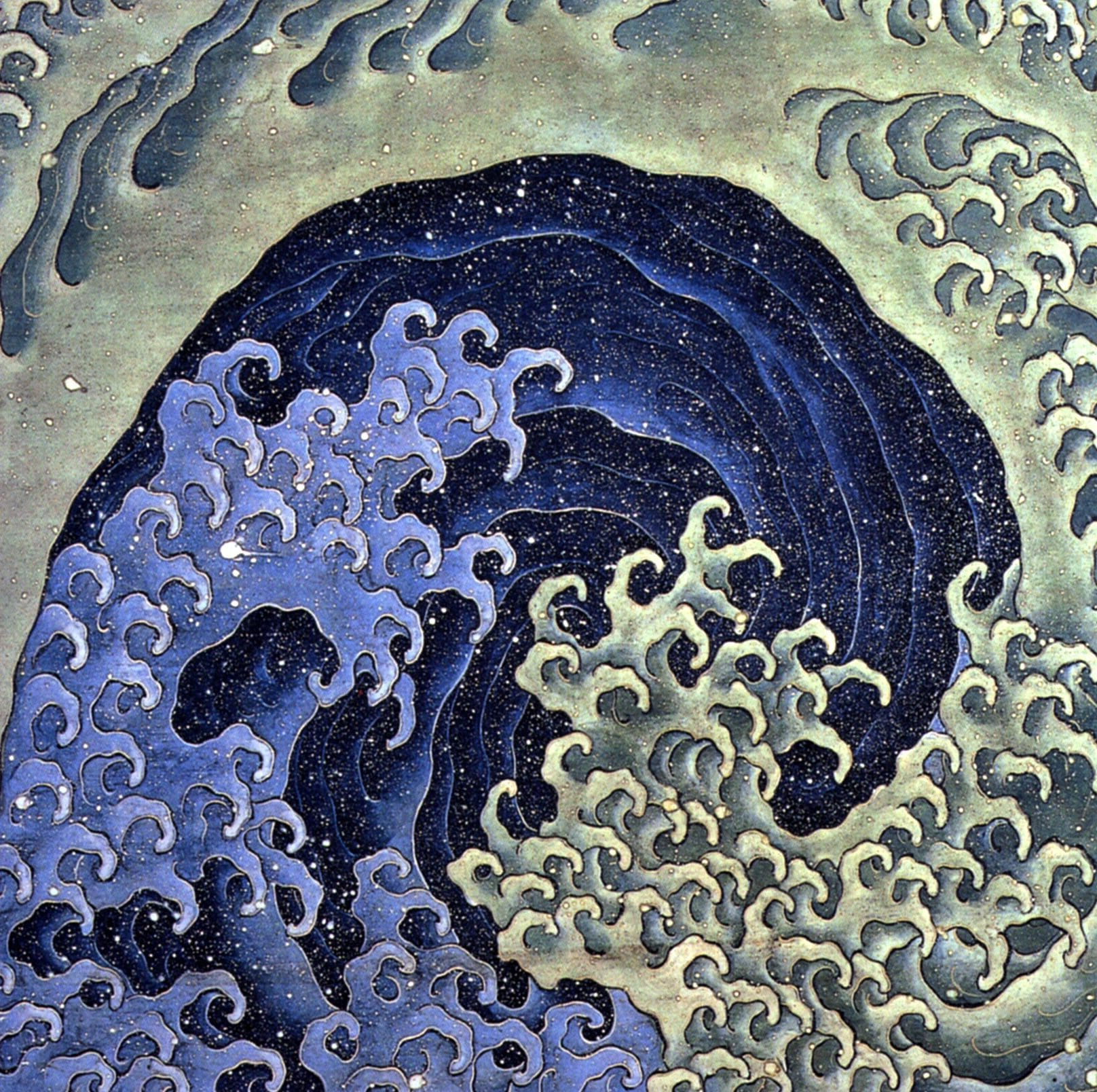
Liquid crystals stand between the isotropic liquid and the strongly organized solid state, life stands between complete disorder, which is death, and complete rigidity, which is death again.
— Dervichian (Repula 2022)
The aspect of molecular pattern which seems to have been most underestimated in the consideration of biological phenomena is that found in liquid crystals.
— Joseph Needham, 1950 (see Brown and Wolken 1979)
Organisms are exceptional in that the matter making up the living parts of our bodies is in an intermediate, liquid crystalline physical state. This is probably life’s most primitive, universal, exclusive and essential property, so no one should be surprised by the prospect that being in this condition would have consequences, especially those related to aspects of biology that don’t already make sense in terms of current evolutionary theory, such as aesthetic biases and their effects, the structure of which tends to be isomorphic with that of liquid crystals (see Leslie 2016).
Liquid crystals are more complicated and difficult to describe than a solid or fluid. They persist as a mixture between physical opposites, in a situation of simultaneous and fluctuating motion with stasis, fluidity with rigidness, disorder with geometric order, expansion with contraction, freedom with confinement, and so on for every other duality that applies to liquid versus crystalline states of matter. They’re also known as “mesophases,” and “ordered fluids,” with the former term acknowledging their physical intermediacy and the latter that geometric order is related to solidness and opposed to fluidity. They could just as legitimately be called disordered solids, flowing solids, chaotic crystals or geometric liquids. Like so many things we find amusing, liquid crystal phases are inherently complicated and contradictory (Brown and Wolken 1979):
The term “liquid crystals” is at once intriguing and confusing. While it appears self-contradictory, the designation is really an attempt to describe the properties of a particular state of matter. The liquid crystalline phase is, in fact, distinguished from both the liquid and solid phases of matter by first-order phase transitions. It mixes the properties of both the liquid and solid forms and is intermediate between the two. For example, liquid crystals combine a kind of long-range order (in the sense of a solid) with the ability to form droplets and to pour (in the sense of water like liquids). The combination of properties yields new properties that are found in neither solids nor liquids.
Essential biomolecules that have liquid crystalline properties and phases include myosin, hemoglobin, DNA, RNA, trypsin, (Stewart 1967), chitin (Clark 1928, Brown and Wolken 1979), collagen, cellulose, elastin, spongin, fibrin, muscle proteins (Clark 1928), amyloid and various cell membrane phospholipids including lecithin and phosphatidylethanolamine, which are especially abundant and important in neurons, and phosphatidylserine, which carries signals in the brain (Corrigan et al. 2006). To some extent, these substances have been selected for as components of organisms due to their liquid crystalline, physical properties, rather than happening to have them entirely as an accidental byproduct of other biological functions.
Lyotropic mesophases, liquid crystal phases dependent on a solvent, are vital to the organization of chromatin (Leforestier et al. 2001), connective tissues, adrenal cells, ovaries, muscles, brains and other animal components (Stewart 1967). They contribute to sensation and consciousness, the need for water and moderate temperatures, thermoregulation, the ability of organisms to move while simultaneously maintaining our integrity, and large scale softness and elasticity of tissues and body parts like skin, fat and especially the brain (“What is the softest organ?” Perplexity):
The softest organ in the human body is generally considered to be the brain, primarily because it is composed of delicate neural tissue that is highly changeable and easily influenced by external forces.
Liquid crystals are sensitive and responsive to small changes in conditions including temperature, humidity, pressure, strain, light, foreign molecules, electric fields, magnetic fields, and, therefore, they would seem to be ideal for animals as components of sensory systems. Responsiveness also makes them suitable for perceptual purposes, as they can change in color, transparency, phase, molecular order and/or orientation in rapid reactions to environmental variables.
People have always been aware of our special physical condition, as can be demonstrated by the structure of creation stories, which usually mix solids with fluids (including gases) to make humans. This is also clear from philosophical arguments going back to ancient times and the content of myths, poetry, fictional stories and language, addressed in Creation Stories and States of Matter, Fluidity and Solidness in Poetry, The Magical-Looking Water of Tsalal Island, Philosophy of the Physical State of Life and other previously published articles.
The liquid crystallinity, ordered fluidity and dynamic stasis of living matter and especially brains is evident in the way other parts of the local universe exist exclusively in either fluid or frozen states and can therefore only freeze or melt, respectively, while life and brains can participate in both transitions. There’s a range of environmental temperatures at which we don’t melt into a dynamic, chaotic fluid or freeze into a motionless, geometric solid, and this goes for the brain more so than the body. Heating or stimulating a brain beyond some point must produce more molecular motion, disorder and overall fluidity than those at which it can operate, resulting in unconsciousness and then death. Cooling the brain must involve relative molecular stasis, order, overall solidness, unconsciousness and death again, in the opposite physical direction.
Another way to think about life and material states is to imagine taking the bodies of organisms apart and laying out the pieces in order according to how solid or fluid they are. On the far right, say, would be water, cytoplasm, blood, bile, tears, milk, saliva, bone marrow, aqueous humor, spinal fluid, slime, xylem, phloem, juice, nectar, honey, oil and other biological fluids. On the far left would be bones, nails, scales, spines, horns, shell, beaks, teeth, wood, exoskeletons and so on.
Relatively complicated organs like muscles, livers, kidneys and hearts would fit in somewhere near the center of the line. They exist in a kind of limbo where structure and fluidity interact so intimately we normally don’t think to describe them in such terms. Muscles work by fluctuating between approaches to relatively solid and soft states, more so than brains, and tolerate more drastic temperature swings without damage. It’s arguable on this basis that brains are more liquid crystalline than muscles and hearts, that they belong at the center of the spectrum of physical states making up an animal. All nonliving matter, aside from some of that derived from living things, resides at or beyond the more solid or more fluid, left or right extremes.
Many scientists have recognized that liquid crystals play a role in life, but fewer than might be expected given the likelihood that such a fundamental biological property would be significant to evolution and have psychological effects. It’s been suggested many times over the last 150 years that life and liquid crystals are closely related. Lawrence J. King (1969) quotes Joseph Needham in Biochemistry and Morphogenesis, published in 1942:
Living systems actually are liquid crystals, or, it would be more correct to say, the paracrystalline state undoubtedly exists in living cells…. most of the protein, fat and myelinic substance of the cell probably exists in these states, but this is only directly visible when all the molecules are oriented in enormous swarms in one direction, as in muscle fibrils. . . . This state seems the most suited to biological functions, as it combines the fluidity and diffusability of liquids while preserving the possibilities of internal structure characteristic of crystalline solids.
A wide variety of biological structures such as biomembranes and layered tissues and processes associated with them likely rely on the “limited flow” characteristic of lyotropic liquid crystals (Stewart 1967):
The presence of lipid, protein, and other substances in various forms of lyotropic mesophases explains many of the properties which distinguish protoplasm from inanimate colloid or even, in more general terms, some of the essential differences between the physical structure of living and nonliving matter.
The lack of interest among biologists in liquid crystallinity might be compared to something like chemists dismissing electrons as a largely irrelevant curiosity, or cosmologists deciding gravity might be important somehow, but not worth incorporating into models of the universe. For instance, one could spend a lifetime trying to figure out why we die, consulting relevant ideas in genetics, biochemistry, physiology and evolutionary biology without encountering a physical interpretation of the problem, or coming to any coherent conclusion, while simply recognizing that life represents a physical transformation away from the usual fluid and solid conditions of the nonliving world, and therefore an unsustainable, temporary state, immediately suggests an answer: we gradually solidify, liquefy, vaporize and/or sublime.
Goodby (1998) says molecules in living systems “invariably exhibit both thermotropic and/or lyotropic liquid crystalline properties,” meaning they’re dependent on temperature and/or concentration in a solvent such as water to remain liquid crystalline. This is certain to be related to the importance of temperature and water as ecological factors influencing the location and abundance of organisms on large scales.
Ho et al. (1996) describe organisms as “polyphasic liquid crystals,” with many intermediate physical states existing together in a body:
Liquid crystals in organisms include the amphiphilic lipids of cellular membranes, the DNA in chromosomes, all proteins, especially cytoskeletal proteins, muscle proteins, collagens and proteoglycans of connective tissues. These adopt a multiplicity of mesophases that may be crucial for biological structure and function at all levels of organization from processing metabolites in the cell to pattern determination in development, and the coordinated locomotion of whole organisms.
Lehmann (Brauns 1911) takes distinctions between crystalline hardness and shape and the relative softness and curvature of organisms to suggest that life is somewhat more liquid than a solid:
The treatises on crystallography define a crystal as a solid, homogeneous, anisotropic body. Living organisms have curved forms, while crystals are polyhedra bounded by plane faces. Organisms are soft, and the simplest organisms, such as amobae, are liquid, while crystals are rigid. Curved and liquid crystals would contradict the fundamental definition of a crystal, and also the theory of molecular arrangement adopted by all crystallographers.
Liquid crystallinity of spider silk is at least partially responsible for its high tensile strength, or the amount of energy needed to break it. Material in a cholesteric liquid crystalline state has been found in silk secreting glands. Knight and Volrath (1998), using polarizing microscopy, found in the spider silk secretory pathway a “large scale texture” consisting of “a chequered pattern of rather regularly alternating, approximately rectangular, blue and yellow areas, resembling the texture of a synthetic, lyotropic nematic discotic liquid crystal in a cylindrical tube.”
Oriented molecules in a liquid crystal can reflect light to give brilliant colors, sometimes more so than what’s possible with pigments (Makow 1982). Cholesteric liquid crystal molecules are usually elongate, with axes pointing along a plane. Many such planes sit on top of each other, the molecular axes in each neighboring plane pointing at a slightly different angle so that the axes rotate periodically throughout the substance. The color of light reflecting from planes arranged in this way varies depending on the angle at which they’re viewed. Iridescent, angle dependent coloration in animals is produced by this mechanism, and cholesteric liquid crystals are becoming popular in human art (Locquin 1975):
Paintings with free liquid crystals sparkle with rainbow colors and appear like nothing ever seen before in a painting. The best comparisons of color effects are with some beetles, butterflies and wings of some birds.
As might be expected, living systems transform substances that exist primarily in a crystalline state into liquid crystals. For example, microcrystalline cholesterol injected into the peritoneum of a mouse is transformed within about two hours into a liquid crystalline form found within peritoneal leukocytes and regional lymph glands (Stewart 1967). Crystalline cholesterol fed to a rabbit is transformed into a liquid crystalline component of the blood plasma and later deposited in a similar liquid crystalline form on the walls of arteries (Stewart 1967).
The notion of simple phenomena like flow, disorder, motion and their opposites playing a part in bodies and minds is reminiscent of early philosophers holding the view that in the apparently inanimate there must be a certain, small amount of life and consciousness. Rinne (1930) has argued that liquid crystallinity fills the gap that seems to separate us from the nonliving:
It is customary to draw the boundary between living organic and inorganic matter so that crystals represent the highest form of inorganic material and low organisms form the beginning of the organic world, with a definite and deep physiological gap between the two categories. In my opinion, this gap does not exist, since the sperms, which are undoubtedly living, are at the same time liquid crystals.
Based on the importance of lyotropic liquid crystalline phases of matter in contemporary organismal structure and function, Stewart (1967) says the origin of life likely coincided with the development of mesophases. Or, more specifically, that aggregations of amphiphiles, water solvent and ions could have spontaneously developed into stable, but mobile, complex liquid crystalline structures, given appropriate conditions of concentration and temperature, which likely existed in many places in the waters of the early Earth.
See the chapter “Flowing Crystals” (2016) in Esther Leslie’s Liquid Crystals: The Science and Art of a Fluid Form for a review of the history of ideas on how life and liquid crystals relate, with discussions of the work of Joseph Needham, Otto Lehmann and Ernst Haeckel. Leslie’s book, to my knowledge, is unprecedented in suggesting and presenting evidence for a causal link between preferences, beauty and liquid crystals in the brain. In order to explain the widespread correspondence between preferences for song, dance and ornamental patterns across many, otherwise very different species, we need something that’s true of all brains, and liquid crystallinity fulfills this requirement.
Consciousness
Because brains are especially central, soft and complex by comparison to other body parts and other things in the universe when it comes to physical states of matter, it can be said that consciousness is concentrated for all animals in the area of the body with the highest degree of liquid crystallinity, which is reason to believe the two are related. So is liquid crystal sensitivity to the environment, given the likelihood that this ability corresponds to being conscious.
Luzatti and Husson (1962) studied a phospholipid in tissue samples from the human brain and found that it exhibited two liquid crystalline phases, one lamellar and one hexagonal, seemingly meaning small-scale brain structure includes stripe-like alternating layers and geometric shapes, similar to those in aesthetic patterns that evolve through sexual or cultural selection. The authors say that lipoprotein conditions in the brain itself are probably not far from a phase transition between liquid crystal and coagel (hydrated crystal), determined by temperature, concentration, or electric potential parameters, and that this may prove important to the regulation of substances in brain cells. They point out it might not be coincidental that the phase transition temperature is so close to normal body temperature.
R. K. Mishra published a paper in the Indian Journal of Psychiatry (1965) proposing that the liquid crystallinity of the brain is involved in perception, memory, thinking, original thought and dreams. Mishra writes of solid structures made up of plates and fibers creating long-distance repetitive order throughout a liquid matrix within the brain, of freedom versus confinement and restraint of molecules, phases with variable amounts of order, and lattices being reshaped in “lattice alterations” from one to another thermodynamic equilibrium, ultimately suggesting the structure of liquid crystals will explain consciousness itself:
In this scheme of things consciousness is an emergent property of the liquid crystal, which need be no more mysterious than the ‘wateryness’ of water or the ‘colour’ associated with a wavelength.
Recently proposed phase transition-based models of cognition demonstrate the value of analogies between liquid crystals and the nature of the brain and mind. Cocchi et al. (2017), in accounting for the observation that “correlations between behaviour and neuronal activity have been documented at almost every scale of analysis,” suggest that “criticality in the brain,” or a balance involving randomness, order, fluidity, structure, and fast and slow flow, plays an essential role in how the mind works:
Mathematicians and physicists have developed a considerable armoury of analytic tools to address multi-scale dynamics in a host of physical, biological and chemical systems (Bak et al., 1987). Chief amongst these is the notion of criticality, an umbrella term that denotes the behaviour of a system perched between order (such as slow, laminar fluid flow) and disorder such as the turbulence of a fast-flowing fluid, (Shih et al., 2015). A critical system shows scale-free fluctuations that stretch from the smallest to the largest scale, and which may spontaneously jump between different spatiotemporal patterns. Despite their apparent random nature, the fluctuations in these systems are highly structured, obeying deep physical principles that show commonality from one system to the other (so-called universality).
The authors say psychological disorders probably correspond to physical transitions in the matter of the brain away from a critical state of fluidity mixed with order: “…brain disorders, as diverse as epilepsy, encephalopathy, bipolar disorder and schizophrenia may correspond to excursions from such an optimal critical point.”
Such models, which appear to be an effective way of understanding scale-free activity and mental disorders, illustrate the presence of complexity and contradiction in the brain with respect to simple physical opposites, and can probably explain a lot of other psychological phenomena as well. They imply an elastic-like resistance, in place to avoid excursions from an average, intermediate consistency, keeping brains in a range where they operate properly. Too much motion must be countered by a reflexive increase in stasis, too much stasis by motion, disorder by order and vice versa, providing a potential mechanism for a kind of aesthetic reflex.
The liquid crystal/mind analogy, which is more than an analogy, applies to all conscious species. If the characteristics of liquid crystals do prove to be essential to such things as memory, thinking, originality and consciousness then it would be reasonable to suspect they also play a role in aesthetic preferences.
The Origin of Life
Some of the important events in the origin of life include the concentration of carbon, formation of complex organic molecules, sorting of those molecules into chiral types, evolution of sustained loops of chemical interactions, formation of a replicator, a coupling of this chemistry and replication to an energy source, the origination of liquid crystallinity, and possibly a transition from indistinct networks of living material into relatively individual, self-contained entities or cells. Some of the possible scenarios for the concentration of carbon are addressed here, along with how life may have evolved from gaseous, liquid and crystalline matter, or, in the words of Robert Hazen (2001), how it was first “crafted from air, water and rock.”
Carbon concentration may have happened through repeated flooding of pools along the shores of early oceans, presumably by the action of the tides. These pools would have been flooded with water containing low concentrations of soluble carbon compounds, and the water would repeatedly evaporate at low tide leaving the heavier carbon behind, causing it to increase to saturation (De Duve and Miller 1991, Parsons et al. 1998). In this scenario life gets started in three dimensions, in solution.
Alternatively, life may have originated at the interface between water and minerals. Simple carbon molecules would have become attached to mineral surfaces, with moderately confining bonds so that they could interact with each other. Energy could come from the formation of the mineral. Wachtershauser (1994) has described early life as a “surface organism” on pyrite, energized by the formation of the pyrite. He says that carbon would enter the system, then undergo transformations for a time without being immobilized, and then be released in aqueous form. Interestingly, then, it seems carbon would have traveled through the surface organism in a kind of limbo between its more common dispersed and mineral forms, much as it does through current organisms and ecosystems.
In one scenario life evolves within connected chambers that result from the formation of certain common minerals, for example weathered feldspar (Parsons et al. 1998), or iron monosulfide (Martin and Russel 2003), perhaps with some molecular interactions/reactions on the surfaces and others taking place in solution within the chamber. More than a million chambers can exist over a square millimeter of weathered feldspar, making up a surface of 130 square millimeters from the microscopic perspective, and the chambers are the same size as modern bacteria (Parsons et al. 1998). In these cases organic reactants may not be destined to “die by dilution,” a potential problem with Wachtershauser’s model (De Duve and Miller 1991), or by irradiation or hydrolysis (Parsons et al. 1998).
Feldspar chambers are interconnected, providing opportunity for horizontal gene transfer (HGT). Woese (2002) argues that extensive horizontal gene transfer is the only way to explain the evolution of cells, given their complexity. In this scheme the components of early cells are relatively modular, and thus amenable to replacement by the products of transferred genes. The complex cells of today show a spectrum of chemical and physical interconnectivity between their components. Less integrated ones, such as aminoacyl-tRNA transferases, show a higher historical frequency of HGT than more integrated ones, such as ribosomal proteins. HGT would have been very important in collections of early, loosely organized cells. It could have driven the complexity of cells up to a point where the systems supporting them became sufficiently idiosyncratic that HGT was rendered less important than traditional Darwinian selection based on individual variation. This point of transition Woese (2002) calls the “Darwinian threshold.” Given the common occurrence in complex dynamical systems of critical points and phase changes, transitions across the Darwinian threshold may have been drastic. Before it, species, and cell types, as we know them, would not have existed. The cell types of bacteria, archaea and eukaryotes may be relatively “solidified” ancestors of members of three “evolutionarily fluid” communities.
Original “cells” might have had mineral walls, and then, through the formation and phase separations of lipids, membranes could have formed tiny semipermeable windows between the mineral cells and the outside environment (Parsons et al. 1998). Eventually proto-cellular collections of organic molecules could have escaped from the containers, reforming the windows into protective spheres on the way, becoming more like the cells we recognize today.
Membranes could have been the first structures in living systems to exhibit liquid crystallinity, but there’s reason to believe nucleic acids did so previously. Segments of DNA self assemble into several liquid crystalline phases (Nakata et. al. 2007, University of Colorado 2007), and recent research shows the assembling segments can be as short as six bases. They tend to stick together end to end, forming aggregates that behave like longer molecules of DNA, which then form a liquid crystal. This only happens if base pairs match up, meaning complementary strands in the early stages of chemical evolution would tend to collect and self-organize into liquid crystalline droplets. Noel Clark, researching the physical behavior of short strands of DNA, says:
In essence, the liquid crystal phase condensation selects the appropriate molecular components, and with the right chemistry would evolve larger molecules tuned to stabilize the liquid crystal phase. If this is correct, the linear polymer shape of DNA itself is a vestige of formation by liquid crystal order.
Like minerals, phase separations could provide a mechanism for concentration of carbon, as well as selection of certain types of molecules over others. The ones selected in this way may often be those that are common in living systems. Selection by phase separation might also be an alternative, or partial, explanation for the chirality of biomolecules. For instance, molecules related to cholesterol, because of their chirality, organize into liquid crystals with a natural pulse when situated within a temperature gradient (Cladis et al. 1991). This is termed “breathing mode,” and Cladis says it’s “sort of like the heartbeat turning on” (Peterson 1995).
Works Cited
Bak, Per, Chao Tang, and Kurt Wiesenfeld. “Self-Organized Criticality: An Explanation of the 1/f Noise.” Physical Review Letters, vol. 59, no. 4, 1987, pp. 381.
Brauns, Reinhard. Flüssige Kristalle und Lebenserscheinungen [Liquid Crystals and Life Forms]. Leipzig: Wilhelm Engelmann, 1911.
Brown, Glenn H., and Jerome J. Wolken. “Liquid Crystals and Biological Structures.” 1979, doi:10.1016/b978–0–12–136850–0.x5001–1.
Cladis, P. E., J. T. Gleeson, P. L. Finn, and H. R. Brand. 1991. “Breathing Mode in a Pattern-forming System with Two Competing Lengths.” Physical Review Letters 67 (1991): 3239–3242.
Cladis, P. E., J. T. Gleeson, P. L. Finn, and H. R. Brand. 1991. “Breathing Mode in a Pattern-forming System with Two Competing Lengths.” Physical Review Letters 67 (1991): 3239–3242.
Clark, Janet H. “Reversible Crystallization in Tendons and Its Functional Significance.” Proceedings of the National Academy of Sciences, vol. 14, no. 7, 1928, pp. 526–532.
Cocchi, Luca, et al. “Criticality in the Brain: A Synthesis of Neurobiology, Models and Cognition.” Progress in Neurobiology, vol. 158, 2017, pp. 132–152.
Corrigan, Adam M., et al. “The Formation of Nematic Liquid Crystal Phases by Hen Lysozyme Amyloid Fibrils.” Journal of the American Chemical Society, vol. 128, no. 46, 2006, pp. 14740–14741., doi:10.1021/ja064455l.
De Duve, C, and S L Miller. 1991. “Two-dimensional life?” Proceedings of the National Academy of Sciences of the United States of America 88.22: 10014–10017.
Dervichian, D. G. “The Control of Lyotropic Liquid-Crystals, Biological and Medical Implications.” Molecular Crystals and Liquid Crystals, vol. 40, no. 1, 1977, pp. 19–31., doi:10.1080/15421407708084468.
Goodby, J. W. “Liquid Crystals and Life.” Liquid Crystals 24.1 (1998): 25–38.
Hazen, Robert. “Life’s Rocky Start.” Scientific American. April 2001: 76–85.
Ho, Mae-Wan, Julian Haffegee, Richard Newton, Yu-ming Zhou, John S. Bolton, and Stephen Ross. "Organisms as Polyphasic Liquid Crystals." Bioelectrochemistry and Bioenergetics, vol. 41, no. 1, 1996, pp. 81-91. https://doi.org/10.1016/0302-4598(96)05075-1.
King, Lawrence J. “Biocrystallography: An Interdisciplinary Challenge.” BioScience 19.6 (1969): 505–518.
Leforestier, Amélie, et al. “Bilayers of Nucleosome Core Particles.” Biophysical Journal, vol. 81, no. 4, 2001, pp. 2414–2421., doi:10.1016/s0006–3495(01)75888–2.
Leslie, Esther. Liquid Crystals: The Science and Art of a Fluid Form. Reaktion Books, 2016.
Luzatti, V., and F. Husson. “The Structure of Liquid-crystalline Phases of Lipid-water Systems.” Journal of Cell Biology 12.2 (1962): 207–219.
Makow, David. “Liquid Crystals in Painting and Sculpture.” Leonardo (1982): 257–261.
Martin, William, and Michael J. Russell. “On the origins of cells: a hypothesis for the evolutionary transitions from abiotic geochemistry to chemoautotrophic prokaryotes, and from prokaryotes to nucleated cells.” Philosophical Transactions of the Royal Society of London. Series B: Biological Sciences 358.1429 (2003): 59–85.
Mishra, R. K. “The ‘Mind’ — Brain Relation: A Physical Analogy.” Indian Journal of Psychiatry VII.3 (1965).
Nakata, Michi, Giuliano Zanchetta, Brandon D. Chapman, Christopher D. Jones, Julie O. Cross, Ronald Pindak, Tommaso Bellini, and Noel A. Clark. “End-to-End Stacking and Liquid Crystal Condensation of 6- to 20- Base Pair DNA Duplexes.” Science 318.5854 (2007): 1276–1279.
Locquin, A. H. “Liquid Crystals in Painting and Sculpture.” Leonardo, vol. 8, no. 3, 1975, pp. 213–216. JSTOR, www.jstor.org/stable/1574732.
Parsons, I, M R Lee, and J V Smith. “Biochemical Evolution II: Origin of Life in Tubular Microstructures on Weathered Feldspar Surfaces.” Proceedings of the National Academy of Sciences of the United States of America 95.26 (1998): 15173–15176.
Peterson, I. “Breathing Time for Liquid Crystal States.” Science News 147.12 (1995): 182.
Repula, Andrii, et al. “Biotropic liquid crystal phase transformations in cellulose-producing bacterial communities.” Proceedings of the National Academy of Sciences 119.24 (2022): e2200930119.
Rinne, Friedrich. “Sperms as Living Liquid Crystals.” Nature, vol. 126, no. 3174, 23 Aug. 1930, p. 279. Nature Publishing Group, https://doi.org/10.1038/126279b0.
Shih, H.-Y., Hsieh, T.-L., Goldenfeld, N., 2015. Ecological collapse and the emergence of travelling waves at the onset of shear turbulence. Nature Physics.
Stewart, G. T. 1967. “Liquid Crystals as Ordered Components of Living Systems.” Ordered Fluids and Liquid Crystals. Ed. Robert F. Gould., American Chemical Society, 1967. 141–156.
Wachtershauser, Gunter. “Life in a ligand sphere.” Proceedings of the National Academy of Sciences 99 (1994): 4283–4287.
Woese, C R. “On the origin of cells.” Proceedings of the National Academy of Sciences of the United States of America 99.13 (2002): 8742–8747.
University of Colorado at Boulder. “Tiny DNA Molecules Show Liquid Crystal Phases, Pointing Up New Scenario For First Life On Earth.” Science Daily. 23 November 2007. 6 July 2008.